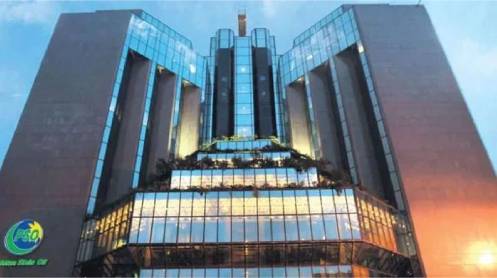
KARACHI: Pakistan State Oil (PSO), the government and the International Monetary Fund (IMF) are working on a plan to settle outstanding circular debt, with the company reporting that its receivables have remained unchanged since February 2024.
Thank you for reading this post, don't forget to subscribe!At its annual general meeting, PSO management said the company had received around Rs10 billion in circular debt payments from the Power Division after the close of the financial year. It also received Rs26 billion from Sui Northern Gas Pipelines Limited (SNGPL) during the final quarter.
PSO has regained more than 40 per cent of the petroleum market, with most gains recorded since July 2026. Management attributed the recovery to improved product availability, pricing discipline and stronger supply chain operations.
To sustain growth amid competition from more than 40 oil marketing companies, PSO plans to upgrade its brand, invest in high-volume retail outlets and automate its supply chain.
However, management expects fuel sales to remain broadly stable or grow modestly as high petroleum prices, government austerity measures and the adoption of electric vehicles (EVs) and solar energy weigh on demand. PSO plans to install EV charging facilities at selected outlets and major intercity routes to adapt to changing consumption patterns.
The company expects to complete retail network automation, including the installation of automatic tank gauging systems, by March 2027. The upgrades could make PSO eligible for revised oil marketing company margins, which remain unchanged pending implementation of the required measures.
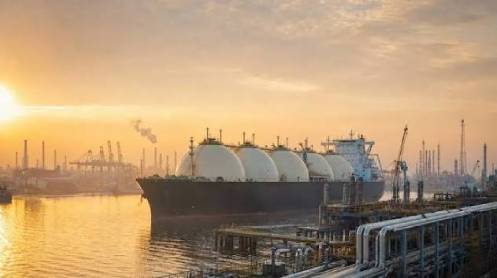
On liquefied natural gas (LNG), management said supplies under the QatarEnergy government-to-government agreement remained profitable on a standalone basis. However, a tax burden exceeding 50 per cent, including the minimum tax on LNG turnover, and financing costs have made the business loss-making overall.
PSO has received 11 LNG cargoes from QatarEnergy since March despite disruptions in the Strait of Hormuz. Planning for winter supplies is under way, with the government coordinating procurement and contractual deliveries. Management said PSO had no plans to exit the LNG business, provided structural issues were resolved with government support.
The company also reported that local refineries were meeting around 95–97 per cent of domestic high-speed diesel demand. Only four to five diesel cargoes had been imported since March 2026, limiting the impact of price differences between imported and locally produced diesel.
PSO is also exploring investment and financing options with Pakistan Refinery Limited (PRL) to support refinery upgrades. The refining industry requires an estimated $5–6 billion for modernisation, including compliance with Euro V fuel standards. Decisions on potential equity arrangements will depend on technical assessments, financing requirements and the identification of a suitable partner.
Meanwhile, commercial and tariff negotiations for the White Oil Pipeline project to Peshawar are nearing completion. The project, involving PSO, SOCAR and the Frontier Works Organisation (FWO), aims to reduce dependence on road transportation and improve the safe and cost-effective movement of petroleum products. Construction is expected to begin once outstanding issues are resolved.
Story by Tanveer Malik